miércoles, 18 de marzo de 2020

Wednesday, 18th March

Good morning, children
It's Wednesday, 18th March.
It's cloudy and warm (20º) and it is winter.
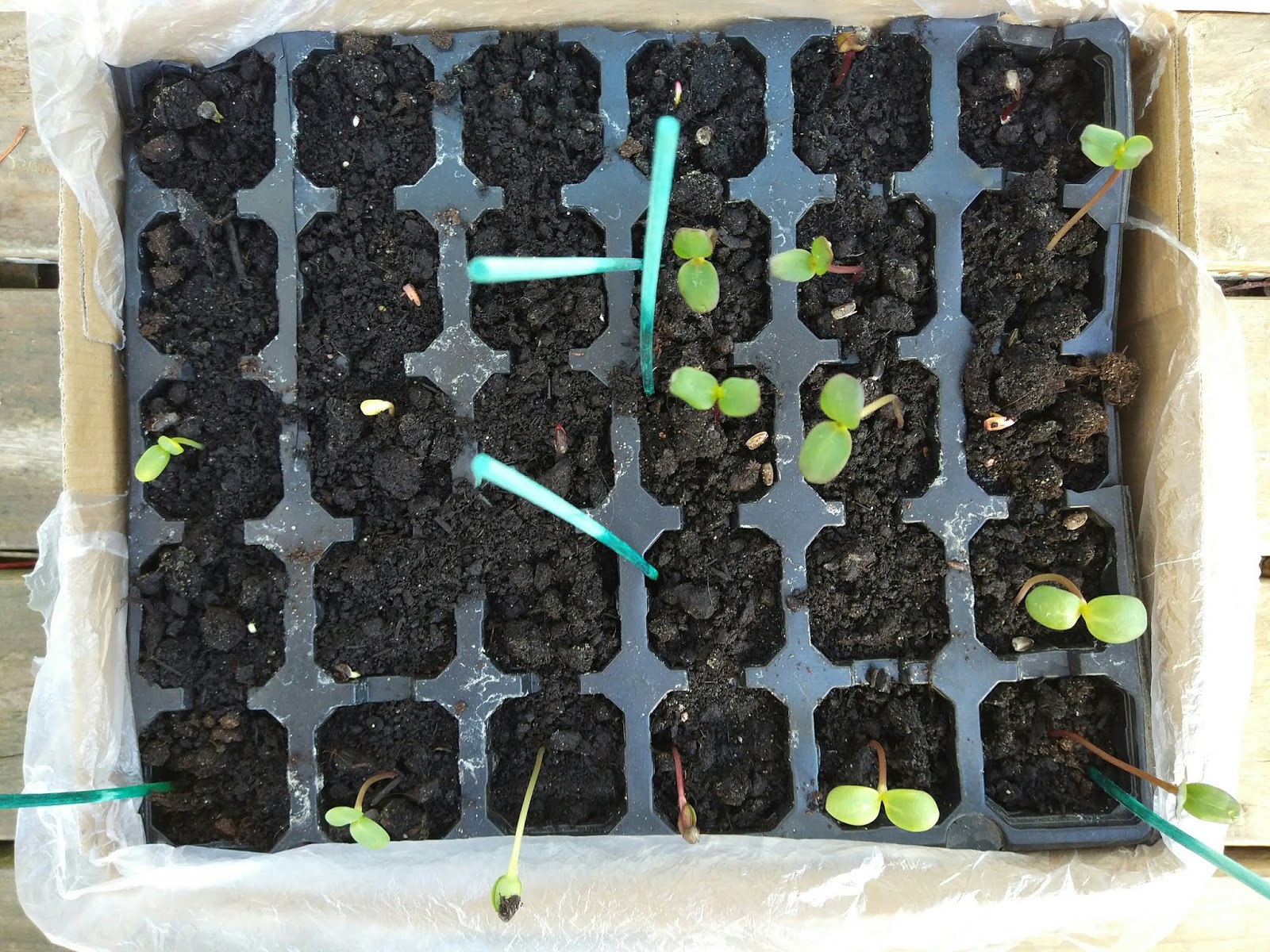
Our plants say you "Hello!"
8th day


ENGLISH
Class Book, page 81
- Tongue twister (trabalenguas):
Click on here to listen to the words.
Click on here to listen to the tongue twister.

- Sing the song in page 74. Click on this link, then go to:
     --> Big Questions / 2 / Songs / Unit 6" and sing.

Activity Book, page 65
In this game you have to practice two questions in the past:
En este juego vas a practicar dos preguntas en pasado:
- Questions about the weather: Preguntas sobre el tiempo:
Was it sunny / windy / raining / snowing / stormy / cloudy ...?
   Answers: Yes, it was.  / No, it wasn't.

- Questions about the placePreguntas sobre un lugar:
  IN THE... Were you in the forest  / in the city / in the mountains / in the countryside / in the playground / in the skate park?
  AT THE... Were you at the beach / at home / at the zoo / at the lake?
AnswersYes, I was.  / No, I wasn't.

1.- Play the game with someone in your family (if you can).
Juega con alguien de tu familia (si puedes).
2.- Choose three (3) pictures, copy them in your notebook, and write questions and answers like in the following example:
Elige tres dibujos, cópialos en tu cuadern,o y escribe preguntas y respuestas como en el siguiente ejemplo:
    - Was it cloudy?
         - No, it wasn't.
    - Was it sunny?
         - Yes, it was.
    - Were you in the forest?
         - No, I wasn't.
    - Were you in the city?
         - Yes I was.

SOCIAL SCIENCE
Page 60: Landforms. 
- Read 
- Put the stickers
- Listen and number. Click on here to listen to it.
(Transcripción): 
1. This is a cape. A large piece of land that stick out in the sea.
2. This is a gulf. A gulf is the area between two capes.
3. This is a beach. A beach is an area of low land next to the sea.
4. This is an island. An island is an area of land completely surrounded by water.
5. This is an archipelago. An archipelago is a group of islands.

- Copy in your notebook the coastal landscape and label its parts: cape, gulf, etc.
Copia en tu cuaderno el paisaje costero y escribe el nombre de sus elementos.
- Go to the digital materials:  
Plus Zone / Unit 6 / Let's play!-Digital activities / games 1, 3, 4, 5.
Accede al material digital "Plus Zone. Unit 6" y juega a los juegos 1,3,4 y 5.
__________________________________________
Respuestas de los ejercicios de ayer.
ENGLISH:
- Activity Book

SOCIAL SCIENCE:


martes, 17 de marzo de 2020

Acceso a contenidos digitales

ENGLISH
Para acceder a los contenidos digitales de inglés, sin necesidad de registrarse, hay que pinchar en el siguiente enlace:

https://elt.oup.com/student/oupeprimary/?cc=global&selLanguage=en

  • Además los alumnos también tienen disponible una APP específica para repasar contenidos y que pueden descargarse en su móvil o tablet. Para acceder a este recurso deben registrarse en: www.oup.es/BQ-app e introducir el código GameTimeOxford. Después, en su móvil o tablet,  ir al Play Store (Android) o App Store (IOS) y descargar la app: BIG QUESTIONS y hacer Log In en la app con las credenciales que han utilizado para registrarse. 
  • Los alumnos también pueden descargar en formato mp3 las canciones en: https://www.landing.oupe.es/big-questions-songs/

SCIENCE
Para acceder a métodos de ciencias, os mando un tutorial facilitado por la editorial, con instrucciones similares a las que os indiqué en el blog a principio de curso. Aquí lo tenéis.

Tuesday, 17th March

Good morning, children!
Today is Tuesday, it's cloudy and cold and it's raining.
Yesterday was a cold day too.
7th day

ENGLISH:
1. Watch this video: The City Mouse and the Country Mouse.
2. Now read the same tale in your Class Book, page eighty (80). How are they similar and different?
Ahora lee la misma historia en el libro de clase, página 80. ¿En qué se parecen?

Some useful vocabulary:
character= personaje
story = cuento
was bored = estaba aburrido
hungry = hambriento
journey = viaje
sad life = vida triste
much to eat = "mucho que comer"
lots of food = mucha comida
"Have some cheese!" = ¡Toma un poco de queso!
scared = muy asustado
safe = segura

3. Think and answer orally: Piensa y responde oralmente:
- Was City Mouse bored? 
- Was Country Mouse's home big?
- What food did Country Mouse have?
- Why was Country Mouse scared?
- What is the moral (moraleja) of the story?
¿Estaba aburrido el Ratón de Ciudad?   /    ¿Era grande la casa del Ratón de Campo?   /    ¿Qué comida tenía el Ratón de Campo?   /    ¿Por qué tenía miedo el Ratón de Campo?   /    ¿Cuál crees que es la moraleja del cuento?

Answers:
- Yes, he was.
- No, it was small.
- Bread.
- Because there was a cat in the City Mouse's house.
- The moral is: be happy with what you have, even if (incluso cuando) it is simple (sencillo).

4. Do the exercises of your Activity Book, page 64.
1- Vuelve a leer la historia y responde de quién es cada casa.
2- Lee y escribe...
3- Dibuja y escribe sobre otro cuento de animales que conozcas.

5. In your notebook, draw the mice and say what they prefer.
En tu cuaderno, dibuja a los ratones y di qué prefiere cada uno.

SOCIAL SCIENCE
Review what you know
Repasa lo que sabes --> acceder a los contenidos digitales que hay en Plus Zone
Project time, page 58.
- Piensa y escribe... (hacer en el libro)
- Hacer en el cuaderno: 
Materiales: fotos de diferentes paisajes, pegamento, lápiz, papel y lápices de colores.
1. Pega una foto de un paisaje en el centro de la hoja.
2. Continúa el paisaje dibujando con el lápiz.
3. Colorea usando los mismos colores.
4. Clasifica y muestra tus dibujos --> No hay que hacerlo.

_______________________________________________
Respuestas de los ejercicios de ayer:
ENGLISH
Class book
Activity book


SOCIAL SCIENCE

lunes, 16 de marzo de 2020

Monday, 16th March

Good morning, children.
Today it's Monday, and it is sunny and cold. Look at our plants!
6th day

English
Today we are going to review how to say what we usually do (in the present). For example:
(Hoy vamos a revisar cómo decir cosas que hacemos normalmente (usando el presente):
In autumn, it's windy and cool. We are at the school.
In winter, it's stormy and cold. We wear warm clothes.
In spring, it's rainy and warm. We play in the park.
In summer, it's sunny and hot. We have holidays.

We are also going to review how to ask questions about the present. For example:
(Vamos a revisar cómo hacer preguntas en presente. Por ejemplo:)
What do you do in summer?
What does she do in spring?

- Class book, page 79:
  - Read exercise 1; write the seasons in your notebook, in the English section.
(Leed ejercicio 1 y escribid las estaciones en el cuaderno, en la sección de inglés)
  - Read exercise 2, twice (dos veces) and number the pictures.
(Leed el ejercicio 2 dos veces y escribid los números de los dibujos)
  - Exercise 3: read the example and write three questions and answers about what Fill does in summer, autumn and winter, in your notebook.
(Leed el ejemplo del ejercicio 3 y escribid 3 preguntas y respuestas sobre lo que Fill hace en verano, otoño e invierno, en el cuaderno)
- Activity book, page 63: do exercises 1, 2 and 3.
Página 63 del Act.B.
* Transcipción el ejercicio 3: Listening:
1. Farmers fix the buildings and tractors on the farm in winter.
2. Farmers cut the sheep's coats in spring, before it's very hot.
3. Farmers take the sheep to the mountains in the summer, when the weather is sunny.
4. Farmers sell the animals at the market in autumn.

Social Science
- Read and do pages 56 and 57 of your book.
Leer y hacer las páginas 56 y 57 del libro
ESCRIBIDME AL BLOG SI TENÉIS DUDAS. PROMETO CONTESTAR 🙋
POR FAVOR, INDICADME QUIÉNES SÓIS. ¡GRACIAS!

viernes, 13 de marzo de 2020

Good morning!

Today it's Friday, 13th March.
It's sunny and warm.
3rd day

Arts and Crafts
- Colour the map with the Autonomous Communities of Spain.

Social Science
- Copy the following diagrams in your notebook, in the Social Science section (copiar los siguientes esquemas en el cuaderno, en la sección de Sociales):

Podéis escribirme a través del blog para preguntarme las dudas. Prometo leer y contestar.
Have a nice day, dear children. I miss you!

jueves, 12 de marzo de 2020

Contenidos digitales

Es importante que los niños puedan acceder a los contenidos digitales de los libros. Al principio de curso anoté los pasos que hay que seguir para ello. Están en la entrada del blog con fecha del 11 de septiembre en el apartado "...others"

miércoles, 11 de marzo de 2020

Hello, children

Good morning, children.
It's Thursday, 12th March.
Today it's cloudy and warm.

Natural Science
- Seguid repasando la unidad 4: Plants. Haremos el examen de la unidad cuando volvamos al cole. Para practicar podéis seguir jugando con el quiz, repasar el vocabulario, observar las plantas y hacer vuestra propia plantación de semillas. By the way, our plants go on growing. Look!
2nd day


Social Science,
We start Unit 4: Landscapes
- Watch the video
English:
- Correction (Activity B. pag. 62)
- Diary Project
If you haven't done it yet (Si todavía no lo habéis hecho), you have to write 5 sentences about a photo of yourself when you were younger (tenéis que escribir 5 frases sobre una foto vuestra de cuando erais pequeños). Here you have some examples of sentences:
- This is me with my sister   /  This is me with my grandparents.
- I was two years old.
- I was at the beach / at home  /  in the countryside...
- It was sunny and warm  /  snowing   /  cloudy and cool...
- I was happy  /  hungry  /  surprised...

Hi, children

Good morning, children:
Today is Wednesday, the 11th March.
The weather is sunny and cool.

I have good news: some plants are growing!
1st day
This is what you have to do today:

English:
- Copy the dictation in your notebook.
- Draw and copy in your notebook the vocabulary of page 76 of your Class Book (It's sunny; It's foggy...)
- Activity Book, pag.62

Natural Science:
- Do the quizz: "Plants"